

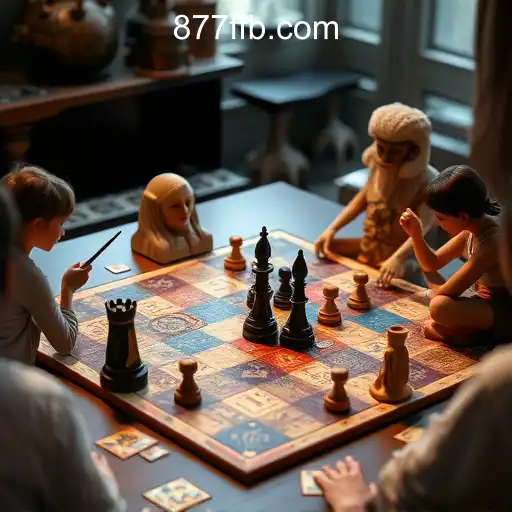
The Timeless Allure of Board Games
Board games have been an integral part of human culture for centuries, offering entertainment, strategic challenges, and a way to bring people together. As domiciliary social tools, board games have transitioned from rudimentary pastimes to complex engagements that challenge intellect and foster camaraderie.
A Brief History of Board Games
The origins of board games date back to ancient civilizations. Artefacts from ancient Sumer reveal early examples of board games that shaped leisure activities. The Royal Game of Ur, for instance, showcases the sophistication of these early amusements.
Migrating through time, various cultures developed their own unique versions of these games. Senet, dating back to 3100 BC in Egypt, is one example where the endgame symbolized the journey into the afterlife, reflecting cultural beliefs and rituals of that period.
The Evolution Over Centuries
Moving forward through history, board games became more refined. During the Middle Ages in Europe, games like Chess emerged, which not only entertained but also educated players in military strategy and planning. Such games attained a notable level of prestige, often enjoyed by royalty.
The industrial revolution brought about the mass production of board games. This period marked the birth of iconic games like Monopoly and Scrabble, which tapped into themes of economics and language, respectively. The accessibility of these games made them household staples, influencing generations.
Board Games and Cultural Impact
In the 20th and 21st centuries, board games have solidified their place in modern entertainment. Today's game designers push boundaries, crafting games that tackle social issues, provide educational value, and stimulate cognitive development.
Modern classics such as Catan and Ticket to Ride represent a surge in creative board game design, requiring players to think critically and collaborate with others. These games have found a home at the heart of a burgeoning industry, supporting conventions and event circuits around the world.
The Rise of Digital Alternates
As technology evolved, so did board games. Digital versions of traditional games now provide interactive experiences which transcend geographical barriers. Online platforms allow friends and family to convene virtually, sharing the excitement of strategy and chance.
One platform making waves is 877F.com Oficial Slots Brasil #1, which marries the allure of traditional gaming with the advanced technology of online slots. This unique combination introduces a new dimension to board games, overlaying the timeless excitement of slots with classic board game mechanics.
877F.com Oficial Slots Brasil #1: Innovation in Gaming
877F.com offers a unique blend of traditional board games and modern slot machine excitement, capturing the interests of both classic board game enthusiasts and fans of digital gaming experiences.
By integrating the thrill of slots with recognizable board game elements, 877F.com Oficial Slots Brasil #1 stands as a pioneer in gaming. The platform enables players to engage in amusement that pays homage to traditional games while offering the excitement found in modern casino environments.
This innovative approach allows players to relish in nostalgia whilst embarking on new and exciting digital adventures, making it a go-to for both beginners and seasoned players.
The Future of Board Games
The evolution of board games continues as they adapt to an ever-changing entertainment landscape. New genres and gameplay mechanics surface regularly, inviting players of all ages to partake in the dynamic landscape.
Advancements in technology promise further integration of augmented and virtual reality into board games, offering immersive experiences that we can only begin to imagine. Platforms like 877F.com Oficial Slots Brasil #1 lead the way by showcasing how traditional gaming concepts can thrive in digital spaces.
As these games evolve, they maintain an ability to bring people together, spark imagination, and provide joy. The narrative of board gaming is woven deep into the fabric of human interaction and will undoubtedly continue to fascinate generations to come.